
In Korea, Seollal is Lunar New Year’s Day. It falls on the first day of the lunar calendar and is the most important traditional holiday of the year.
Long ago, the Korean Peninsula was an agricultural society. Farmers followed the lunar calendar because it was closely connected to the cycles of the moon and the seasons. The moon’s changes helped people predict tides, weather patterns, and seasonal shifts. Since farming depended on the right timing for planting and harvesting, the lunar calendar became a practical and reliable guide. For this reason, the first day of the lunar year was not just symbolic. It marked a real turning point in the farming cycle and in people’s lives. That is why Seollal became so important.
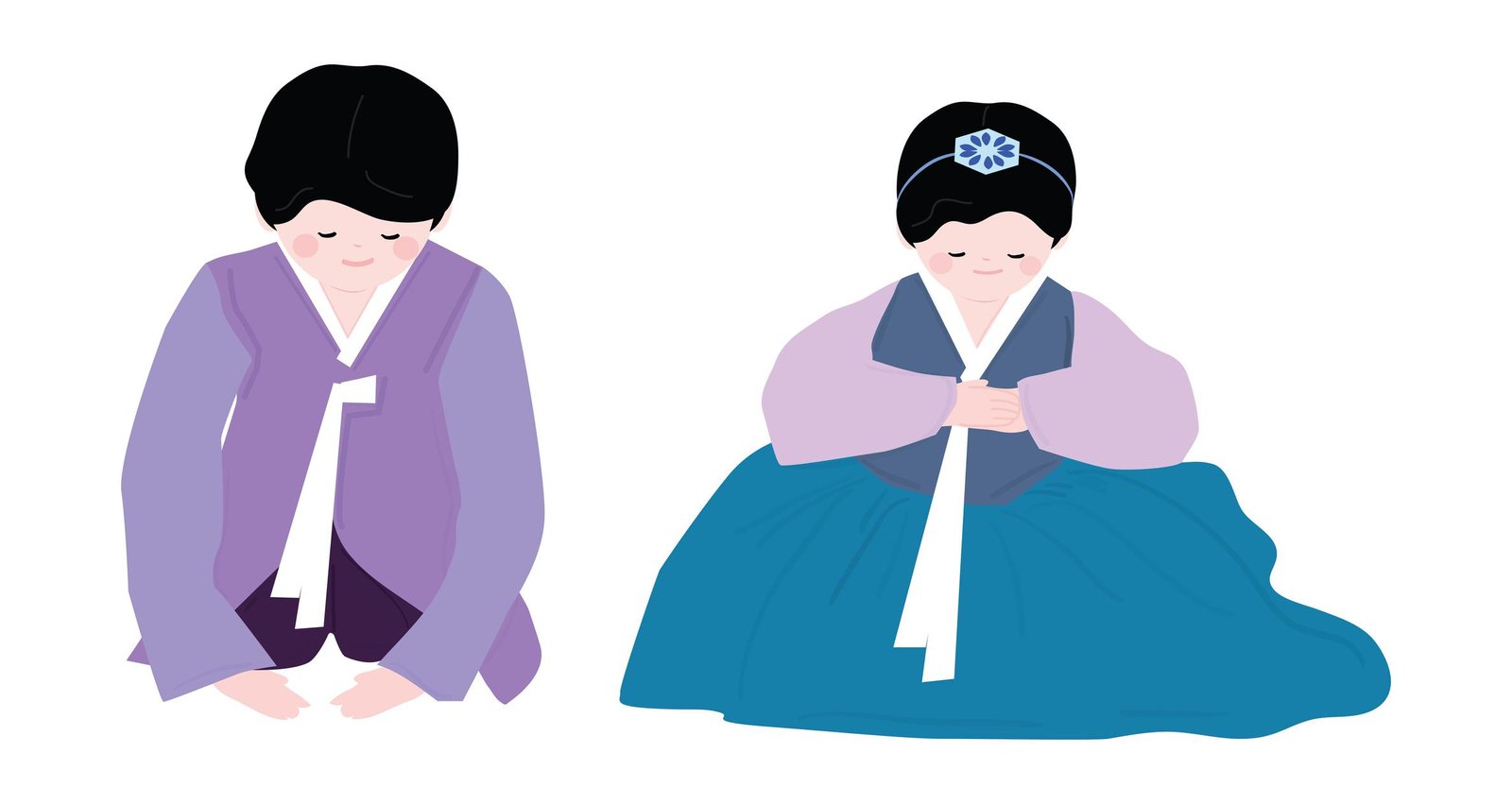
Seollal is not simply the “first day of the year.” Families gather together in one place. They perform ancestral rites to honor their ancestors and bow to elders to show respect. This reminds people that time continues through families and communities, not just through individuals. When people eat tteokguk (photo below), rice cake soup, they say they become one year older. This act symbolizes accepting the passage of time in a physical and meaningful way.

Historically, even before the Three Kingdoms period (57 BC–668 AD), people valued the first month of the lunar year. As time passed through the Goryeo dynasty (918–1392) and the Joseon dynasty (1392–1897), Seollal became a national holiday. During the Joseon dynasty (1392–1897), Confucian rituals grew stronger, and the customs of ancestral rites and New Year bows were more clearly organized. Seollal became a day to confirm both family order and social order.
This year is the Year of the Horse. But it is not just any Year of the Horse. It is the year of Byeongo. Byeongo is a combination of the heavenly stem “Byeong (丙)” and the earthly branch “O (午).” In the twelve zodiac animals, “O” represents the horse. So Byeongo is the Year of the Horse, and more specifically, the Year of the Red Horse. This is because “Byeong” symbolizes fire in the Five Elements, and “O” is also connected to the energy of fire.
Traditionally, the horse symbolizes speed, courage, and strong energy. In the past, horses were essential in war, transportation, and delivering messages. A nation’s strength was often linked to the quality of its horses. For this reason, the Year of the Horse is often associated with energy, power, and change.
Happy Lunar Year!
